PM Kusum Yojana 2026: Solar Pump Subsidy, Components, Eligibility, Application and Current Status
PM-KUSUM, or Pradhan Mantri Kisan Urja Suraksha evam Utthaan Mahabhiyan, was created to expand solar energy in agriculture, reduce dependence on diesel pumps and give farmers opportunities to use or sell solar power. It has three main components: decentralised grid-connected renewable power plants, standalone solar agriculture pumps and solarisation of existing grid-connected agriculture pumps/feeders.
A major 2026 point needs to be stated clearly. The Ministry of New and Renewable Energy (MNRE) lists the notified scheme period as ending on 31 March 2026. However, the national PM-KUSUM portal remains active with achievement data and documents, and projects already sanctioned can continue through their implementation timelines. Therefore, a farmer in September 2026 should not assume that a fresh all-India application window is automatically open; availability depends on the State implementing agency, sanctioned allocation and any current State notice.
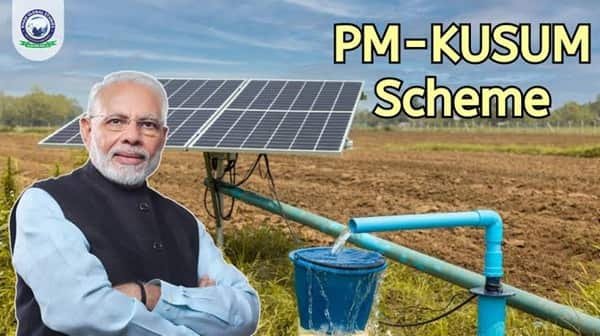
PM Kusum Yojana Quick Overview
| Particular | Details |
| Full name | Pradhan Mantri Kisan Urja Suraksha evam Utthaan Mahabhiyan (PM-KUSUM) |
| Nodal ministry | Ministry of New and Renewable Energy (MNRE) |
| Main purpose | Solarisation of agriculture and reduction of diesel/grid dependence |
| Component A | Decentralised grid-connected renewable power plants, generally 500 kW to 2 MW |
| Component B | Standalone solar agriculture pumps, generally up to 7.5 HP under the central framework |
| Component C | Solarisation of grid-connected agriculture pumps, including feeder-level solarisation |
| Normal central support | Typically 30% CFA for eligible pump/solarisation cost under B and C (IPS), subject to scheme rules |
| Higher central support areas | 50% CFA in specified North-Eastern/hilly/UT regions under the central framework |
| Notified central scheme period | Up to 31 March 2026 |
| Current 2026 reality | Portal and sanctioned-project implementation continue; fresh application depends on State/agency window |
| Application route | Designated State implementing agency/DISCOM process, not one guaranteed national open form |
What Is PM-KUSUM?
PM-KUSUM is not simply a “solar pump subsidy scheme.” It combines multiple routes for agricultural solar energy. Component A allows eligible farmers and other approved rural entities to set up decentralised renewable power plants and sell electricity to DISCOMs. Component B supports standalone solar agriculture pumps in suitable off-grid areas. Component C supports solarisation of existing grid-connected pumps and also includes feeder-level solarisation.
The original national targets were large: 10,000 MW under Component A, 14 lakh standalone pumps under Component B and solarisation of 35 lakh grid-connected agriculture pumps including feeder-level solarisation under Component C. The national portal was still publishing achievement figures after March 2026 because installation and commissioning of sanctioned projects can continue beyond the date on which the central scheme period closed.
Component A: Grid-Connected Renewable Power Plants
Under Component A, renewable-energy power plants of about 500 kW to 2 MW can be set up by individual farmers, groups of farmers, cooperatives, panchayats, Farmer Producer Organisations and Water User Associations, subject to the capacity notified by the DISCOM. The power is purchased by the DISCOM at the tariff determined or approved under the State regulatory framework.
A farmer who cannot finance and develop the plant directly may, where the implementation model permits, work with a developer or DISCOM. In such cases the landowner can receive lease rent under the commercial arrangement. Component A therefore differs fundamentally from receiving a subsidised irrigation pump at a farm.
Component B: Standalone Solar Agriculture Pumps
Component B supports individual farmers installing standalone solar agriculture pumps, normally up to 7.5 HP, particularly where grid supply is not available. Under the standard central pattern, Central Financial Assistance (CFA) is 30% of the benchmark cost or tender cost, whichever is lower. The State Government is expected to provide at least another 30%, leaving up to 40% for the farmer.
Bank finance can be used for part of the farmer contribution. Under the central design, this can reduce the initial payment to around 10%, with up to another 30% financed through a loan. This does not mean every farmer in every state will always pay exactly 10%; actual contribution depends on the State subsidy, approved system cost, financing and implementation notice.
Higher Subsidy Pattern in Specified Regions
For the North-Eastern States, Sikkim, Jammu & Kashmir, Himachal Pradesh, Uttarakhand, Lakshadweep and the Andaman & Nicobar Islands, the central framework provides CFA of 50% of the eligible benchmark/tender cost for the relevant standalone-pump and individual-pump-solarisation components. The State support is at least 30%, leaving a smaller beneficiary share under the prescribed pattern.
Component C: Solarisation of Existing Grid-Connected Pumps
Under Individual Pump Solarisation (IPS), a farmer who already has a grid-connected agricultural pump can install solar PV capacity under the scheme rules. The solar generation can meet irrigation needs, and surplus power can be supplied to the DISCOM where the State arrangement permits. The standard subsidy pattern is broadly similar to Component B: 30% central CFA plus at least 30% State subsidy, with the balance borne or financed by the beneficiary.
Feeder Level Solarisation (FLS) works differently. Instead of each farmer installing a separate solar system, a selected agricultural feeder is solarised so that multiple connected farmers receive reliable daytime power. The farmer is not necessarily purchasing an individual solar plant in this model.
Who Can Apply?
There is no single eligibility checklist that fits all three components. For Component A, the central framework recognises individual farmers, farmer groups, cooperatives, panchayats, FPOs and Water User Associations as potential renewable power generators, subject to DISCOM capacity and State selection. Components B and C focus mainly on individual agricultural pump users and the technical conditions of the selected State programme.
Land ownership or lawful land-use rights, pump connection status, sanctioned load, water source, State allocation and other agricultural records can be checked by the implementing agency. Applicants should therefore use their State’s current notice rather than copy the document list of another State.
How to Apply in 2026
Applications under PM-KUSUM are implemented through designated State departments, renewable-energy agencies or DISCOMs. The national portal provides State-wise implementing-agency information and vendor/rate information, but the existence of the central portal does not mean every State has a live application window at all times.
Because MNRE states the central scheme period was up to 31 March 2026, a farmer applying after that date should first check whether the State has an active notice tied to an existing sanctioned allocation, a project implementation window or a later government extension/order. Do not pay money to a private website claiming that “PM-KUSUM 2026 registration” is automatically open across India.
How the Subsidy Is Adjusted
Under Components B and C (IPS), MNRE CFA and the State subsidy are adjusted in the approved system cost, and the beneficiary pays the remaining eligible share. This is important because fake websites sometimes promise that a large subsidy amount will first be transferred into the farmer’s bank account. The official structure is linked to the approved project, vendor and implementing agency.
Farmers should confirm the approved vendor, system specification, quoted rate and beneficiary share before making payment. Any demand for a “registration fee” into a personal UPI ID or private bank account should be treated as a warning sign.
Current Status After 31 March 2026
The end of the notified scheme period does not mean every sanctioned installation stopped on 1 April 2026. MNRE’s implementation provisions allow sanctioned pump/solarisation projects a completion period from the date of sanction, and the national portal continued showing achievements during 2026. This explains why installation activity can continue even though the original central scheme period has closed.
For a new applicant, however, the correct question is not “Is the old scheme page still online?” but “Has my State implementing agency invited applications under a valid current allocation or order?” That distinction helps avoid outdated application links and fraudulent portals.
FAQs
Q. Is PM-KUSUM registration open nationally in September 2026?
MNRE lists the notified central scheme period as ending on 31 March 2026. Sanctioned implementation continues, but a fresh applicant should apply only if the relevant State implementing agency has a valid current application window or sanctioned allocation.
Q. Does the Government deposit the entire solar-pump subsidy into the farmer’s bank account?
The central and State support under the pump components is generally adjusted in the approved system cost through the implementing mechanism. Farmers should be cautious of private sites promising a large advance cash transfer.
Q. Can a farmer sell electricity under PM-KUSUM?
Yes, under relevant models. Component A is designed around sale of generated power to the DISCOM, and Component C individual pump solarisation can allow surplus solar power to be exported under the State/DISCOM arrangement.
Q. Is the beneficiary contribution always only 10%?
Not necessarily. The central framework allows bank finance so the initial payment can be around 10% in the standard subsidy pattern, but the final farmer share depends on State subsidy, approved cost and financing.
Q. Can a farmer choose any solar-pump seller and later claim subsidy?
That should not be assumed. PM-KUSUM installations are tied to the implementing agency, approved specifications and empanelled/selected vendors or tender process. A purchase made outside the authorised process may not qualify for assistance.