Ladki Bahin Yojana 2026: Monthly Benefit, Eligibility, Documents, Application and Status
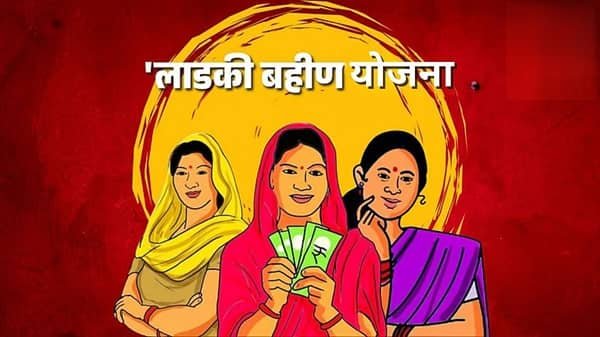
Maharashtra’s Mukhyamantri Majhi Ladki Bahin Yojana provides a monthly cash benefit to eligible women through Direct Benefit Transfer. The programme was approved in June 2024 with the aim of strengthening women’s financial independence, improving health and nutrition and giving women a stronger role in household decision-making. It has since become one of the state’s best-known women-focused welfare schemes.
Eligible women in the 21-to-65 age group receive ₹1,500 per month in their own Aadhaar-linked bank account, subject to the family income and exclusion conditions. The scheme covers several marital-status categories and also allows one unmarried woman from a family. Because applications and payments depend heavily on Aadhaar, residence and bank verification, small data mismatches can cause delays. This article explains the current rules in a practical way.
Ladki Bahin Yojana Quick Overview
| Particular | Details |
| Scheme | Mukhyamantri Majhi Ladki Bahin Yojana, Maharashtra |
| Monthly benefit | ₹1,500 |
| Age | 21 to 65 years |
| Residence | Maharashtra resident |
| Eligible categories | Married, widowed, divorced, deserted, destitute women and one unmarried woman from a family |
| Family income ceiling | ₹2.5 lakh per year |
| Bank account | Beneficiary’s own Aadhaar-linked bank account |
| Payment mode | Direct Benefit Transfer |
| Key documents | Aadhaar, residence proof, income/ration-card proof, bank details, declaration and photo |
| Helpline | 181 |
What Is Mukhyamantri Majhi Ladki Bahin Yojana?
The Maharashtra government created the scheme to provide predictable monthly financial support rather than a one-time payment. The ₹1,500 DBT can be used by the beneficiary according to household priorities, including food, health, transport, education-related needs and personal expenses.
The Women and Child Development Department administers the programme. The official portal provides registration, account access, document information and scheme instructions.
Eligibility Rules
The applicant must be a resident of Maharashtra and ordinarily fall between 21 and 65 years of age. The scheme covers married women, widows, divorced women, deserted women and destitute women. It also permits only one unmarried woman from a family to receive the benefit if other conditions are met.
Annual family income should not exceed ₹2.5 lakh. The applicant must have her own Aadhaar-linked bank account because the assistance is transferred directly to the beneficiary.
Who Can Be Excluded?
Income above the prescribed ceiling is a basic disqualification. The scheme also has exclusions connected with income tax, certain government employment or pension, elected/public positions, specified vehicle ownership and other economic indicators prescribed in the government resolutions and working instructions.
Applicants should use the latest official portal rather than old social-media lists because implementation orders have been revised after the original launch. A woman who was eligible when she applied can also face re-verification if later databases show an exclusion condition.
Documents Required
The official portal lists Aadhaar as the key identity document. Residence in Maharashtra can be established through a domicile certificate. If that is unavailable, specified older documents such as ration card, voter ID, birth certificate or school leaving certificate may be accepted under the scheme instructions.
For income verification, women with a yellow or orange ration card generally do not need a separate income certificate. Applicants with a white ration card or no ration card may need an income certificate showing annual family income within ₹2.5 lakh. Newly married women whose names have not yet been added to the ration card may use the husband’s ration card along with the marriage certificate under the prescribed rule.
- Aadhaar card
- Residence/domicile proof or accepted alternative
- Income proof where required
- Ration card where applicable
- Bank account details with Aadhaar linking
- Beneficiary declaration/undertaking
- Photograph
- Marriage certificate in specific newly-married cases
How to Apply
The state has provided digital registration through the official Ladki Bahin platform and supported application routes through authorised local mechanisms. The applicant should create or access her account using authentic details and submit the required information exactly as it appears in Aadhaar.
After application, the record is scrutinised against eligibility and government databases. Applicants should not treat a submitted form as an approved benefit. Approval and DBT status are separate stages.
How Payment Works
The ₹1,500 monthly amount is paid through DBT to the woman’s own Aadhaar-linked bank account. If the bank account is not properly seeded or the account is inactive, an approved beneficiary may still face payment failure.
Beneficiaries who change banks should check Aadhaar mapping and DBT status with the bank. Maintaining the same mobile number across key records can also make OTP-based portal access easier.
How to Check Application or Account Status
The official portal provides account access and scheme-related facilities. Beneficiaries should use the application/account credentials and registered mobile number to see the current status. Where payment is missing, bank-credit history should be checked in addition to portal status.
If the application is returned for correction, fix the exact deficiency rather than creating a second account. Duplicate records can complicate Aadhaar-based verification.
Important Practical Points
- Do not pay anyone for a guaranteed approval; eligibility is verified by government records.
- Use the applicant’s own mobile number where possible so OTP control remains with her.
- Keep copies of the submitted declaration and proof documents.
- Aadhaar name and bank name should match closely.
- If residence proof is unavailable, check the officially accepted alternatives rather than submitting an unrelated document.
Common Reasons for Rejection or DBT Failure
Applications may be returned or rejected because residence proof is insufficient, income exceeds the permitted ceiling, the household falls into an exclusion category, the applicant’s age is outside the range, or Aadhaar and bank details do not match. A returned application should be corrected using the official mechanism rather than resubmitted under a different mobile number.
For an approved woman, a failed DBT is often a bank-data issue rather than a scheme-eligibility issue. Confirm that the account is active, belongs to the beneficiary, is Aadhaar linked and is correctly mapped for benefit transfers. Where the bank has merged branches or changed IFSC details, obtain confirmation that the account remains capable of receiving DBT.
Grievance and Safe Application Practices
Keep the acknowledgement, Aadhaar copy, residence proof, ration-card/income record and bank passbook details used in the application. If the portal asks for correction, compare the exact field against these originals before changing anything.
Never share OTPs, passwords or banking PINs with someone claiming to be from the scheme. The official helpline and government portal should be used for support. A genuine correction does not require transferring money to an individual’s UPI account.
FAQs
Q. Can a Maharashtra-born woman married and living outside the state automatically claim the scheme?
Birth in Maharashtra alone does not settle every eligibility question. The scheme requires Maharashtra residence under its rules, so the applicant should establish current qualifying residence through the accepted documents.
Q. What if a woman has no ration card at all?
The official document guidance provides a route for applicants without a ration card, including use of an income certificate and the other prescribed documents. Lack of a ration card by itself is not the same as automatic rejection.
Q. Can the registered mobile number be changed after application?
Where the portal/authorised process permits, update the number rather than creating a new applicant profile. The registered number is important for OTP access and account recovery.
Q. Does approval mean the benefit can never be re-verified?
No. Welfare databases can be rechecked against income, household and other government records. A beneficiary should continue to satisfy the eligibility conditions and respond to any official verification request.
Q. Can someone charge a fee to “unlock” a Ladki Bahin account?
Do not pay an individual for account unlocking. Use the official account-recovery/unlock facility or the government help channel. Never share the password, OTP or banking PIN.